
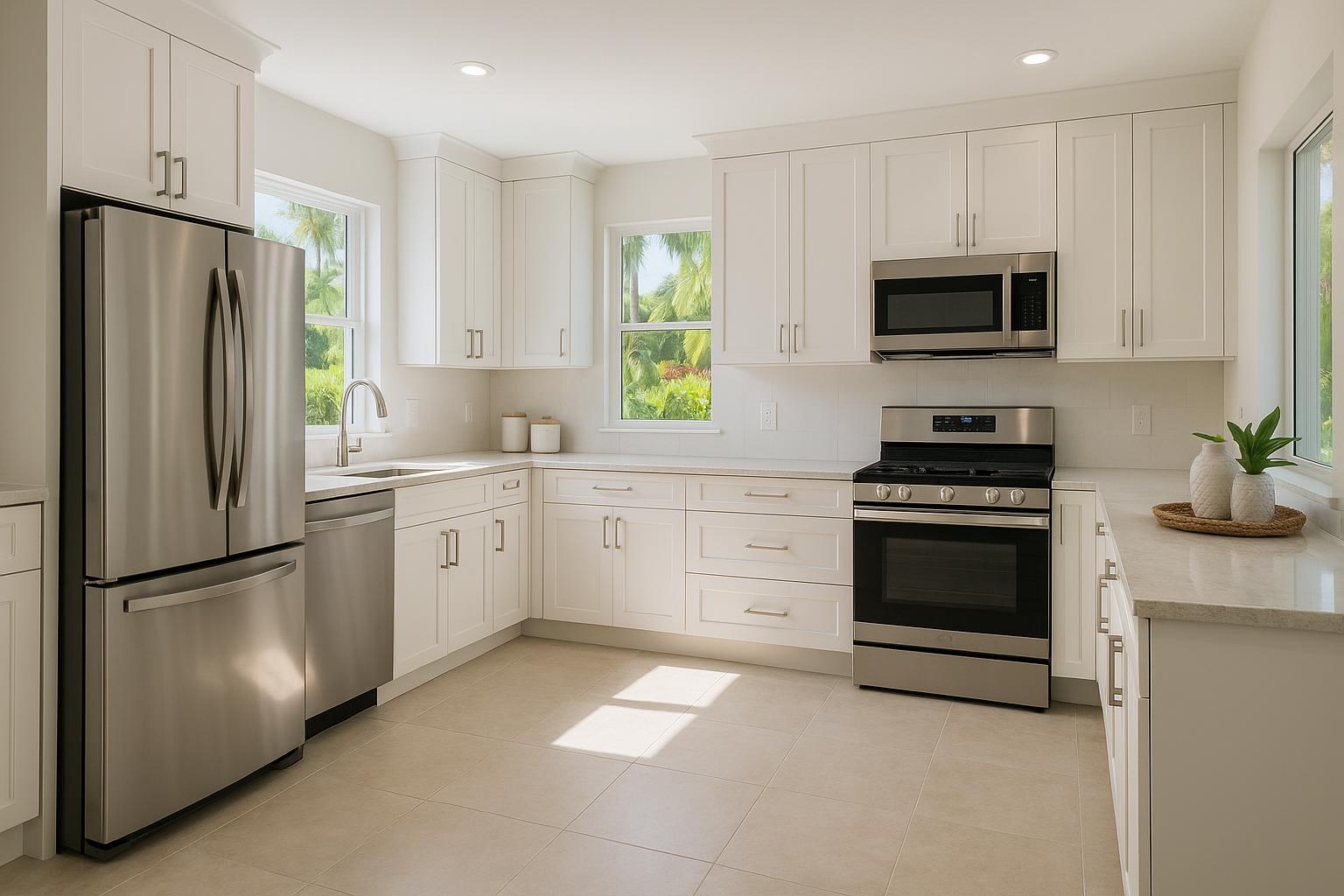
Remodeling in Miami Means Thinking About Water
If you own a home in Miami, you already know that water is part of life here. Between hurricane season, heavy summer rains, and the reality that much of South Florida sits in a FEMA-designated flood zone, moisture is something every homeowner has to take seriously — especially when planning a remodel.
Whether you're renovating a kitchen, adding a room, or doing a full-home overhaul, ignoring flood risk during the planning phase can lead to costly damage down the road. The good news is that with the right approach, you can create a beautiful, modern living space that's also built to withstand what Miami's climate throws at it.
At Precision General Contractors, we help homeowners across Miami, Coral Gables, Coconut Grove, and surrounding areas plan remodels that look stunning and hold up for years. Here's what you need to know about remodeling in a flood zone.
Step 1: Know Your Flood Zone Designation
Before you start picking out countertops or tile, the first step is understanding your property's flood zone classification. FEMA assigns flood zone designations that determine your risk level and influence local building codes. In Miami-Dade County, many residential neighborhoods fall within zones AE, AH, or VE — all of which carry specific construction requirements.
You can check your flood zone status through the Miami-Dade County GIS portal or by requesting a flood determination from your insurance company. This designation affects everything from the permits you'll need to the types of materials your contractor should use.
Why This Matters for Your Remodel
If your renovation involves structural changes, additions, or improvements that exceed 50% of your home's market value, you may be required to bring the entire structure up to current flood code standards. This is known as the substantial improvement rule, and it's strictly enforced in Miami-Dade County. A knowledgeable contractor will help you navigate these requirements before work begins so there are no surprises.
Step 2: Choose Flood-Resistant Materials
One of the smartest things you can do during a remodel in a flood-prone area is select materials that can handle moisture without falling apart. This doesn't mean sacrificing style — it means making informed choices.
- Flooring: Porcelain tile, luxury vinyl plank, and polished concrete are excellent options that resist water damage. Avoid hardwood and standard laminate in ground-floor areas, as they can warp and develop mold after even minor flooding.
- Cabinetry: Marine-grade plywood or solid PVC cabinetry holds up far better than particleboard. For kitchens and bathrooms, consider raising base cabinets a few inches off the floor.
- Walls: Cement board and fiberglass-faced drywall resist moisture far better than standard paper-faced drywall. In areas below your base flood elevation, these materials can save you thousands in post-storm repairs.
- Insulation: Closed-cell spray foam insulation doesn't absorb water and maintains its R-value even after exposure to moisture, making it ideal for Miami homes.
These choices may add slightly to your upfront budget, but they dramatically reduce your long-term repair costs and can even lower your flood insurance premiums.
Step 3: Design With Elevation in Mind
Elevation is one of the most effective flood mitigation strategies, and it can be incorporated into your remodel in practical ways. If you're planning a room addition or a major renovation, consider these approaches:
- Raise mechanical systems: HVAC units, water heaters, and electrical panels should be installed above the base flood elevation whenever possible. This is often required by code but is a smart move regardless.
- Elevate living spaces: If you're adding square footage, building up rather than out keeps your new space above potential flood levels.
- Install backflow prevention: A backflow valve on your sewer line prevents floodwater from backing up into your home through drains — a common and unpleasant problem during heavy storms in Hialeah, Doral, and other low-lying areas.
Step 4: Understand Miami-Dade Permitting Requirements
Miami-Dade County has some of the strictest building codes in the country, and for good reason. When you're remodeling in a flood zone, permits aren't optional — they're essential for protecting your investment and maintaining your insurance coverage.
Any work that involves structural changes, electrical or plumbing modifications, or changes to your home's footprint will require permits. Unpermitted work can void your flood insurance policy, create problems when you try to sell your home, and result in fines from the county.
A licensed general contractor familiar with Miami-Dade requirements will handle the permitting process for you, ensuring that every aspect of your remodel meets current codes. This is one area where cutting corners simply isn't worth the risk.
Step 5: Plan for the Unexpected
Even with the best planning, living in South Florida means accepting some level of flood risk. Smart remodeling includes building in resilience so that if water does enter your home, the damage is minimized and recovery is faster.
Practical Resilience Strategies
- Use removable baseboards: Snap-in baseboards allow you to quickly remove them for drying after a water event, preventing hidden mold growth behind walls.
- Wire electrical outlets higher: Installing outlets 18 to 24 inches above the floor keeps them above minor flood levels and is a simple change during a renovation.
- Create a drainage plan: Ensure your property grading directs water away from your foundation. During a remodel is the perfect time to address landscape drainage issues.
- Document everything: Keep detailed records of your renovation, including materials used, contractor information, and permit numbers. This documentation is invaluable for insurance claims.
Why Working With a Local Contractor Matters
Flood-smart remodeling isn't just about picking the right tile or raising an outlet. It requires a deep understanding of local building codes, FEMA regulations, and the specific challenges that come with renovating homes in Miami's unique environment.
A contractor who works in Miami Beach one week and Coral Gables the next understands the subtle differences in flood risk, soil conditions, and municipal requirements across the region. That local expertise translates directly into a remodel that's done right the first time.
At Precision General Contractors, we've built our reputation on delivering remodels that combine beautiful design with practical durability. We know Miami's building codes inside and out, and we guide our clients through every decision — from material selection to permit approval — so the finished result is something they can enjoy with confidence for years to come.
Ready to Start Planning?
If you're considering a remodel and want to make sure your investment is protected against Miami's flood risks, we're here to help. Contact Precision General Contractors today for a consultation. We'll walk through your project, assess your flood zone requirements, and create a plan that delivers the home you want — built to last in the climate we live in.